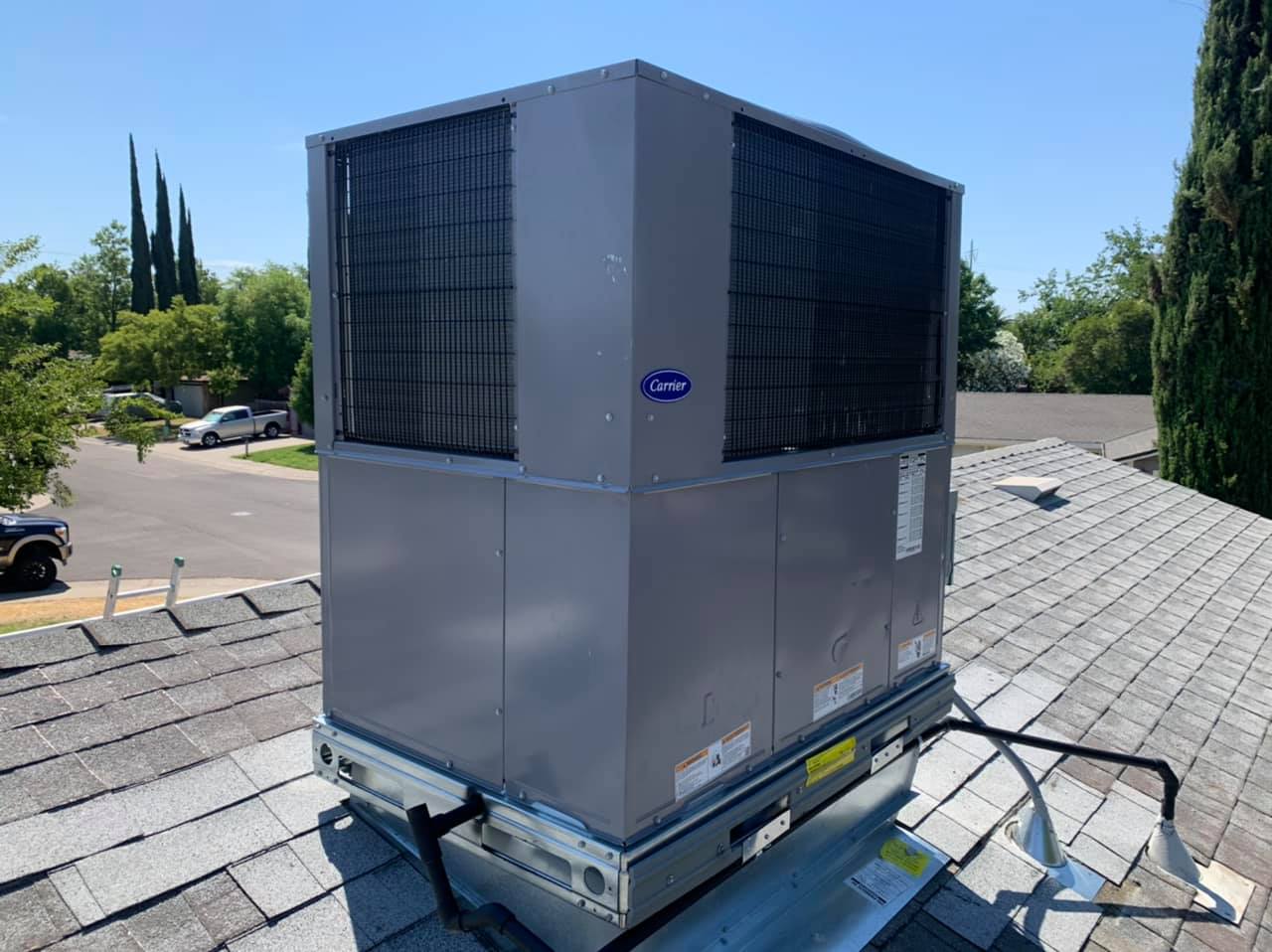
Understanding Heat Recovery Ventilation: Boosting Efficiency and Indoor Air Quality Jun 14, 2026
Heat recovery ventilation systems are designed to maximize indoor air quality while minimizing energy loss. They do this by recovering heat that would otherwise be wasted and using it to preheat incoming fresh air. Let’s dive deeper into the workings of HRVs and see how they can contribute to a more efficient and healthy living environment.
At the heart of the HRV system is the heat exchanger. This component plays a pivotal role by capturing the warmth from the outgoing stale air and transferring it to the incoming fresh air. As a result, the incoming air is tempered, reducing the need for additional heating. This process not only saves energy but also keeps your home adequately ventilated, an essential factor for maintaining a healthy indoor environment.
One of the primary reasons homeowners switch to heat recovery ventilation systems is their ability to significantly improve indoor air quality. Traditional ventilation systems often lead to heat loss, which can result in increased energy bills. In contrast, HRVs efficiently manage air exchange, ensuring that old, polluted air is replaced with fresh, filtered air without losing valuable heat. For those who suffer from allergies or respiratory issues, this systematic air exchange can drastically enhance comfort levels by removing pollutants and maintaining consistent humidity.
Moreover, HRVs can work all year round. In the winter, they preheat incoming air, while in the summer, they can help cool incoming air, working in tandem with your air conditioning, thereby reducing the load on your HVAC system. This integration proves particularly beneficial in climates with significant seasonal temperature fluctuations. By reducing the workload on heating and cooling units, homeowners can notice a decrease in energy costs, providing a compelling return on investment.
JMS Heating & Air advocates for the implementation of heat recovery ventilation systems as part of comprehensive energy-saving strategies. It’s essential to understand that while HRVs contribute significantly to energy efficiency, they are most effective when part of an overall energy strategy that includes proper insulation and modern HVAC systems. Our team is trained to assess your unique situation and provide solutions tailored to maximize efficiency and air quality in your space.
The installation of an HRV system is a sustainable choice that aligns with the growing trend towards greener and more sustainable living. By optimizing energy use and enhancing air quality, HRVs help reduce your carbon footprint, contributing to environmental sustainability. This change not only benefits your home or business but also offers a positive impact on the broader community.
In conclusion, heat recovery ventilation systems are an excellent investment for anyone looking to optimize energy efficiency and guarantee superior indoor air quality. At JMS Heating & Air, we are committed to providing the expertise and services you need to make informed decisions about your HVAC systems. Contact us today to learn more about how a heat recovery ventilation system can transform your home into a more comfortable, efficient, and healthy environment.
/filters:no_upscale()/filters:format(webp)/media/b57f0607-5d17-44fb-bc6a-839624071822.jpeg)
/filters:no_upscale()/filters:format(webp)/media/9364543e-d722-443e-9722-6e39779539c6.jpeg)