The ABCs of HVAC: A Beginner's Guide to Heating and Cooling Systems Feb 26, 2026
Heating, Ventilation, and Air Conditioning (HVAC) systems play a crucial role in maintaining indoor comfort. At the core, an HVAC system regulates the temperature, humidity, and air quality of your home. While these systems are complicated in their inner workings, breaking them down into fundamental components can help you understand how they function.
Starting with heating, the most common systems include furnaces and heat pumps. Furnaces are traditional heating solutions that use electricity, oil, or natural gas to create heat. This heat is then distributed throughout the house via ducts. On the other hand, heat pumps are versatile devices that can provide both heating and cooling. They work by transferring heat rather than generating it, which can be more energy-efficient in mild climates.
Moving on to ventilation, this aspect of HVAC ensures the continuous flow of air throughout your home. Proper ventilation prevents the buildup of moisture, odors, and indoor pollutants. It includes components such as exhaust fans and air ducts and might also involve air purification systems.
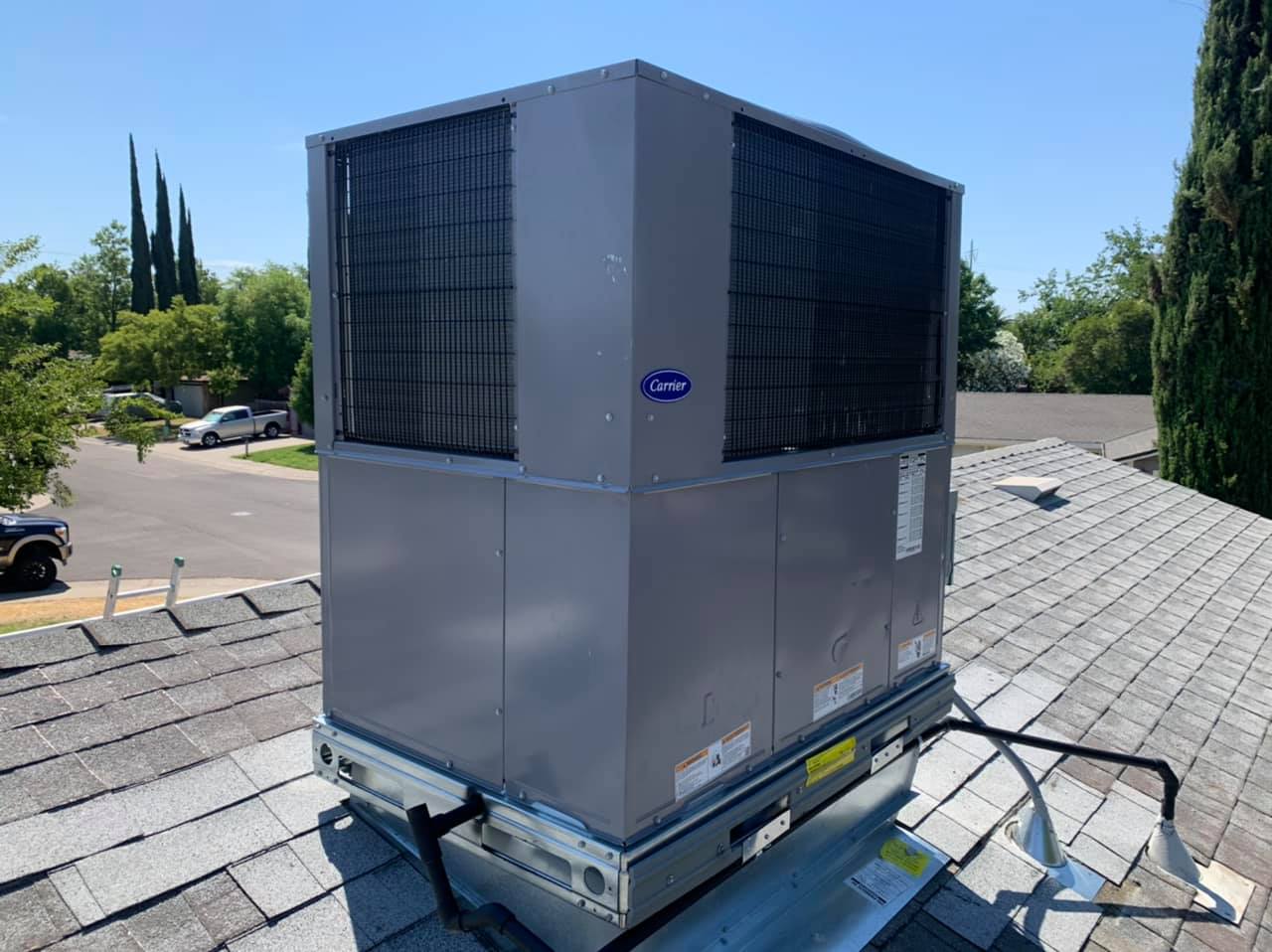
Cooling systems, primarily air conditioners, are critical during the sweltering summer months. They function by removing heat and humidity from indoor air, providing a refreshing environment. Split and packaged units are the common types, each suited for different home layouts and cooling needs.
An often overlooked component of HVAC systems is the thermostat. This device acts as the control center, allowing you to set and maintain your desired indoor temperature. Modern thermostats, often digital or smart, provide enhanced control and energy efficiency by programming temperature settings based on your schedule.
To ensure your HVAC system runs smoothly, regular maintenance is key. Simple tasks like changing air filters monthly can significantly impact the system's efficiency and lifespan. A clean filter ensures optimal airflow, reducing the strain on the system. Additionally, scheduling regular professional inspections can catch potential issues before they become costly repairs.
Energy efficiency is a growing concern for many homeowners, and modern HVAC systems have evolved to meet these needs. When shopping for an HVAC system, pay attention to the SEER (Seasonal Energy Efficiency Ratio) rating for cooling systems and the AFUE (Annual Fuel Utilization Efficiency) rating for heating systems. Higher ratings typically mean better efficiency and lower energy bills.
JMS Heating & Air is committed to helping you navigate these choices, offering expert advice and service to ensure your system not only meets your needs but operates at its peak efficiency. Whether it’s for a new installation, routine maintenance, or urgent repairs, knowing the basics of your HVAC system empowers you to make informed decisions that enhance comfort and reduce costs.
In conclusion, understanding your HVAC system is vital for maintaining a comfortable and efficient home environment. By learning the basics, you can better manage your system, ensuring it provides the comfort you deserve. With JMS Heating & Air by your side, you’ll always have the support you need to keep your heating and cooling systems running smoothly.
/filters:no_upscale()/filters:format(webp)/media/b57f0607-5d17-44fb-bc6a-839624071822.jpeg)
/filters:no_upscale()/filters:format(webp)/media/9364543e-d722-443e-9722-6e39779539c6.jpeg)