How to Weatherproof Your HVAC System for Optimal Performance in Extreme Conditions Jul 08, 2026
First, consider scheduling a professional inspection with JMS Heating & Air. A thorough checkup will identify any vulnerabilities your system may have, from faulty parts to system inefficiencies. A professional tune-up not only prepares your system for the challenges of extreme weather, but also enhances its overall functionality.
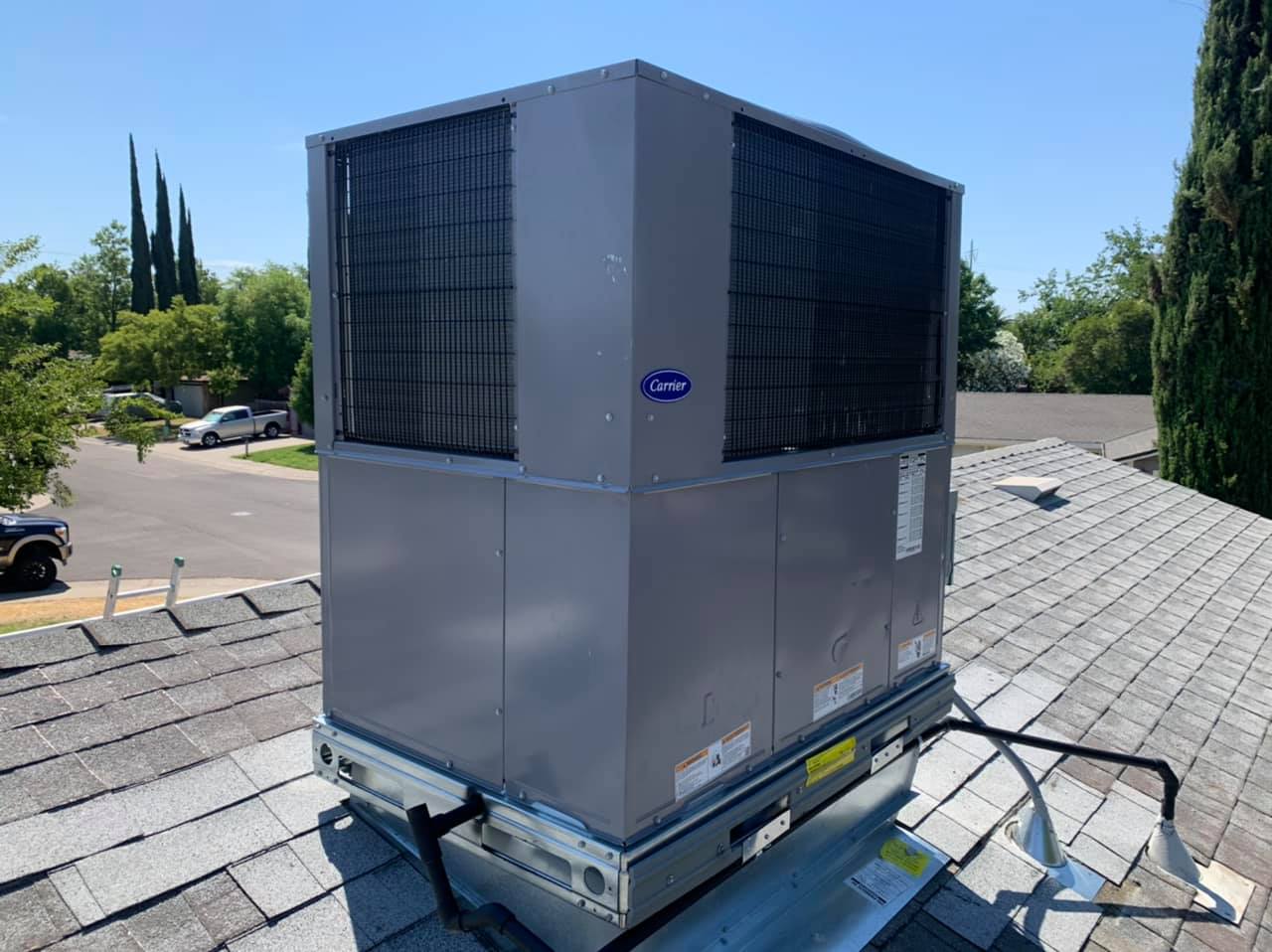
Once your professional inspection is complete, it’s time to focus on your outdoor unit. Begin by clearing the area surrounding your HVAC unit. Debris such as leaves, sticks, and dirt can obstruct the airflow and reduce efficiency. Trim any overhanging branches and ensure a two-foot clearance around the unit. This simple act can enhance airflow and prevent unwanted wear and tear.
Next, apply a weather-resistant cover. These covers protect your unit from harsh elements such as snow, ice, and torrential rain. Choose a cover that is specifically designed for HVAC use to avoid moisture build-up underneath, which can lead to corrosion. Be sure to remove the cover during milder weather to prevent issues with condensation and ensure proper ventilation.
Insulating exposed pipes is another crucial step in weatherproofing your system. When temperatures plummet, frozen pipes can decrease system efficiency and lead to costly repairs. Insulate coolant pipes with foam sleeves, or install heat tape for extreme protection. This practice will help maintain performance by preventing heat loss in the winter and reducing energy consumption.
For those with interior components, sealing ductwork is essential. Over time, ducts can develop leaks, allowing treated air to escape, which overworks your system and hikes up energy bills. Consider having your ducts professionally sealed and insulated. This will not only improve efficiency but also enhance indoor air quality by keeping out dust and allergens.
Programmable thermostats are a smart addition to any weatherproofing plan. By automatically adjusting to optimal settings based on outside conditions, these thermostats can prevent overwork and save on energy costs. JMS Heating & Air recommends upgrading to a smart thermostat to stay a step ahead, allowing for remote adjustments and performance monitoring.
Additionally, replace or clean your HVAC filters regularly. During high-use seasons, filters can become clogged with dust, leading to restricted airflow. A clean filter encourages efficient operation, and prolongs the system’s lifespan. Ideally, check filters monthly and replace them at least every three months—or more frequently if conditions dictate.
To conclude, properly weatherproofing your HVAC system can make a significant difference in performance during extreme weather conditions. By taking proactive steps, you can protect your investment and ensure uninterrupted comfort within your home. Remember, a well-maintained system is an efficient one, and a trusted HVAC partner like JMS Heating & Air is always available to offer expert advice and services. With the right preparations, your HVAC system will be ready to face any weather extremes, providing you with peace of mind and consistent indoor comfort all year long.
/filters:no_upscale()/filters:format(webp)/media/b57f0607-5d17-44fb-bc6a-839624071822.jpeg)
/filters:no_upscale()/filters:format(webp)/media/9364543e-d722-443e-9722-6e39779539c6.jpeg)