Heat Pumps vs. Traditional HVAC Systems: Which Is Right for You? Apr 10, 2026
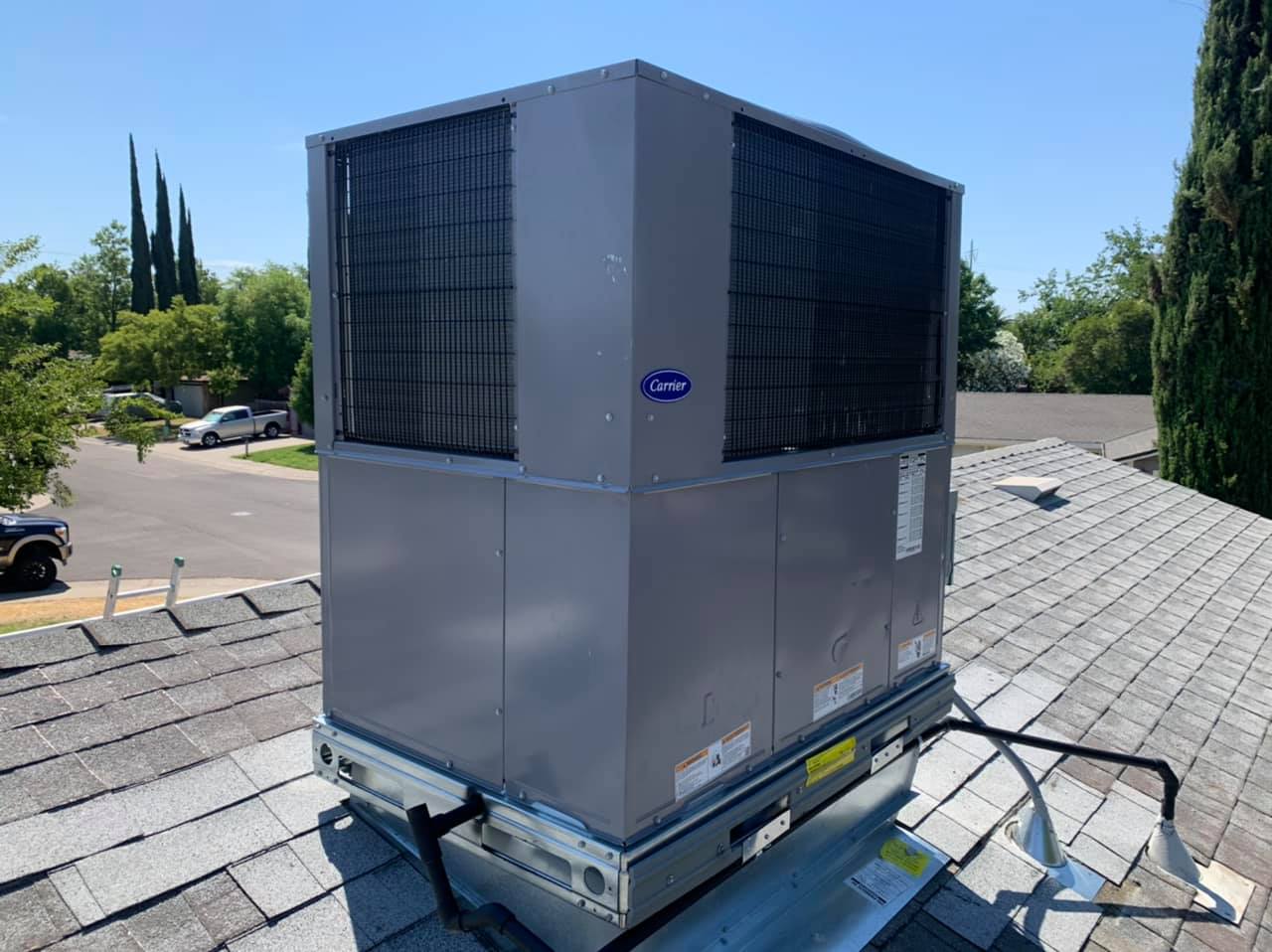
A heat pump is a versatile system that can both heat and cool your home. By moving heat between the inside and outside of your home, a heat pump provides an efficient method of controlling the indoor climate. During the warmer months, it extracts heat from within the house and sends it outside, much like an air conditioner. In the cooler months, it reverses the process, drawing heat from the air outside and bringing it indoors.
Traditional HVAC systems, on the other hand, typically consist of separate units for heating, often a furnace, and cooling, usually an air conditioner. Furnaces are typically powered by electricity, gas, or oil, and they generate heat to increase the temperature in the home. Air conditioners eliminate heat by circulating refrigerant and releasing heat externally.
One of the key benefits of heat pumps is their energy efficiency. Because they move heat rather than generate it, they generally use less energy than conventional HVAC systems. This not only saves on your utility bills but also benefits the environment by reducing energy consumption. Moreover, because a heat pump combines heating and cooling in a single unit, it can simplify maintenance and reduce the need for extensive HVAC infrastructure.
However, heat pumps do have limitations. They can be less effective in extremely cold climates where there isn’t sufficient heat in the outside air to draw upon. In such situations, supplementary heating systems might be necessary, which could offset some of the energy savings. Technological advancements are continually improving the efficiency of heat pumps in colder regions, but this is a critical factor to consider if you live in an area with harsh winters.
Traditional HVAC systems, while less efficient than modern heat pumps, are robust and effective in diverse climates, making them a reliable choice for many homeowners. A gas furnace, for instance, is particularly effective at providing warm air during cold winters. Although they might have higher operational costs due to fuel consumption, they are often more capable of keeping homes warm in severe weather. Additionally, the industry for traditional HVAC support and parts is well-established, meaning that repairs and maintenance are generally straightforward and accessible.
In deciding between the two, consider the climate where you live, your environmental priorities, and your existing infrastructure. If you live in a milder climate and prioritize energy efficiency, a heat pump might be right for you. However, if your home experiences extreme weather conditions, a traditional HVAC system could offer the dependability you need.
Ultimately, the choice between a heat pump and a traditional HVAC system depends on your specific circumstances and preferences. Consulting with a professional, such as the experts at JMS Heating & Air, can provide personalized insights tailored to your home’s particular needs. We'll help you weigh the pros and cons, considering factors like cost, efficiency, and durability, ensuring you select an option that maximizes comfort and peace of mind for years to come.
/filters:no_upscale()/filters:format(webp)/media/b57f0607-5d17-44fb-bc6a-839624071822.jpeg)
/filters:no_upscale()/filters:format(webp)/media/9364543e-d722-443e-9722-6e39779539c6.jpeg)