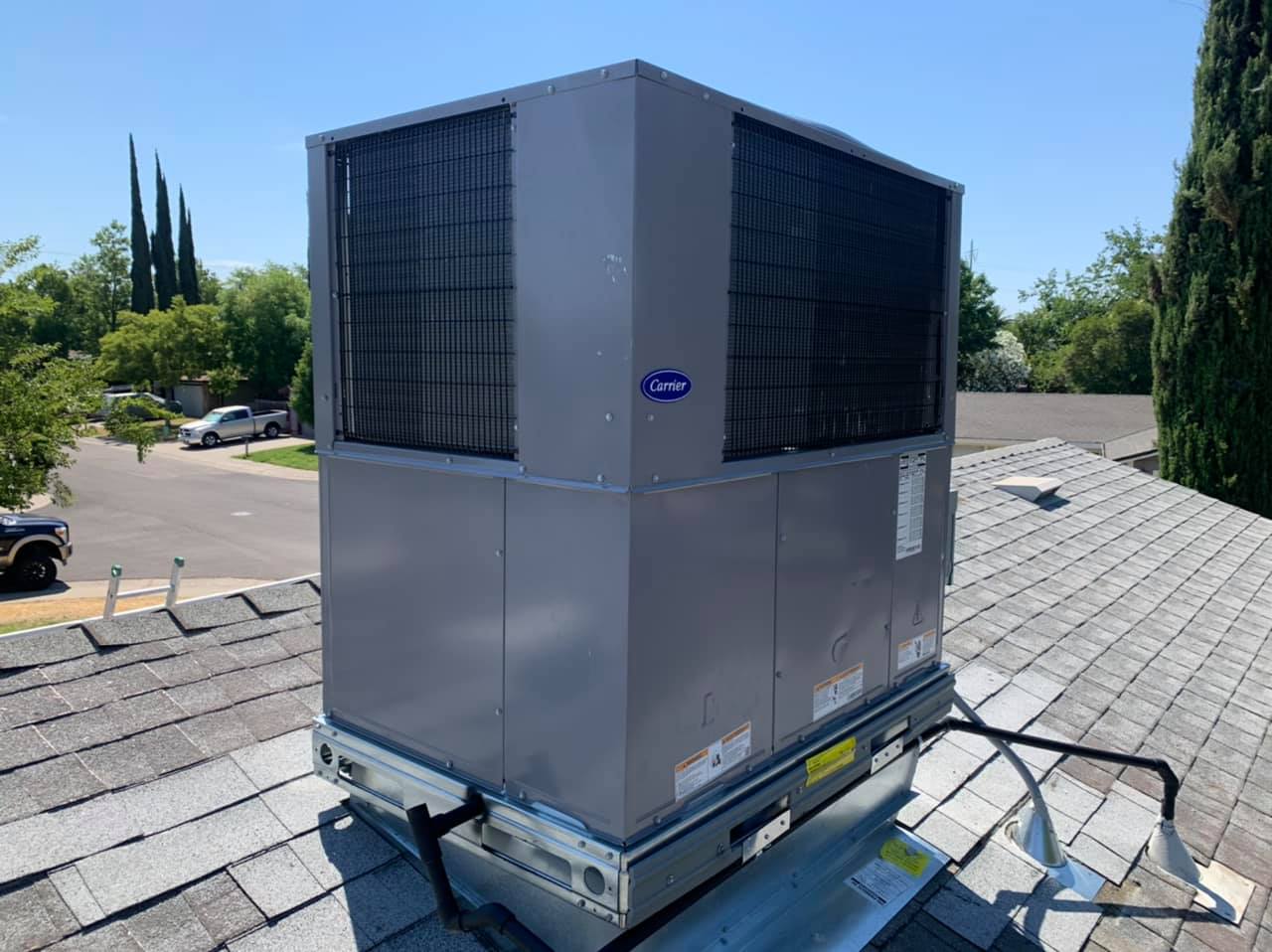
Exploring the Environmental Impact of Energy-Efficient HVAC Systems Apr 27, 2026
Heating, ventilation, and air conditioning systems are integral to maintaining comfort in our homes and workplaces. Traditional HVAC models, however, are known for their high energy consumption, which contributes significantly to greenhouse gas emissions. With the advent of energy-efficient HVAC technology, we now have powerful alternatives that offer comfort without compromising the environment.
An energy-efficient HVAC system operates by using less power to achieve the same level of comfort as conventional systems. These systems incorporate advanced technology such as variable-speed motors, smart thermostats, and improved ductwork which together can reduce electricity usage by up to 20-30%. The reduction in energy consumption directly correlates to a decrease in carbon emissions, thus making the operation of environmentally friendly HVAC systems a pivotal component in combating climate change.
Moreover, by consuming less electricity, energy-efficient HVAC systems lessen the demand on national power grids, which are often powered by fossil fuels. This reduced demand not only cuts down on emissions but also extends the life of infrastructure, deferring costly upgrades and reducing the risk of blackouts. For consumers, this means not only helping the environment but also enjoying lower utility bills, which is a tangible financial benefit of investing in green HVAC technology.
The environmental impact of these systems extends beyond energy savings. Many modern HVAC systems use refrigerants with low global warming potential (GWP), drastically cutting down the release of harmful substances into the atmosphere. Older air conditioners and heat pumps often use refrigerants that have been phased out due to their harmful environmental impacts. By upgrading to an energy-efficient model, you can significantly decrease your home's contribution to ozone depletion and global warming.
These systems also come with improved filtration technology that ensures better air quality within your home. By maintaining an optimal indoor climate, energy-efficient HVAC units help in reducing the likelihood of mold growth and circulating cleaner air, crucial factors for maintaining health and wellness. This not only enhances the living environment but also promotes better health outcomes, aligning human well-being with environmental stewardship.
For those considering upgrading their HVAC system, incentives are now available to encourage the adoption of energy-efficient solutions. Companies like JMS Heating & Air are proud to assist customers in navigating energy rebates and tax incentives that can offset the initial investment costs. By taking advantage of these incentives, homeowners can support greener initiatives while reaping economical benefits.
In summary, the transition to energy-efficient HVAC systems is not just a personal step towards a more comfortable and financially sound home; it's a significant leap towards reducing environmental impact on a broader scale. From lowering emissions to conserving energy and enhancing indoor air quality, these systems play a pivotal role in shaping a sustainable future. JMS Heating & Air is committed to guiding you through this transition with expertise and care, ensuring that every step taken is a step towards a greener planet.
/filters:no_upscale()/filters:format(webp)/media/b57f0607-5d17-44fb-bc6a-839624071822.jpeg)
/filters:no_upscale()/filters:format(webp)/media/9364543e-d722-443e-9722-6e39779539c6.jpeg)